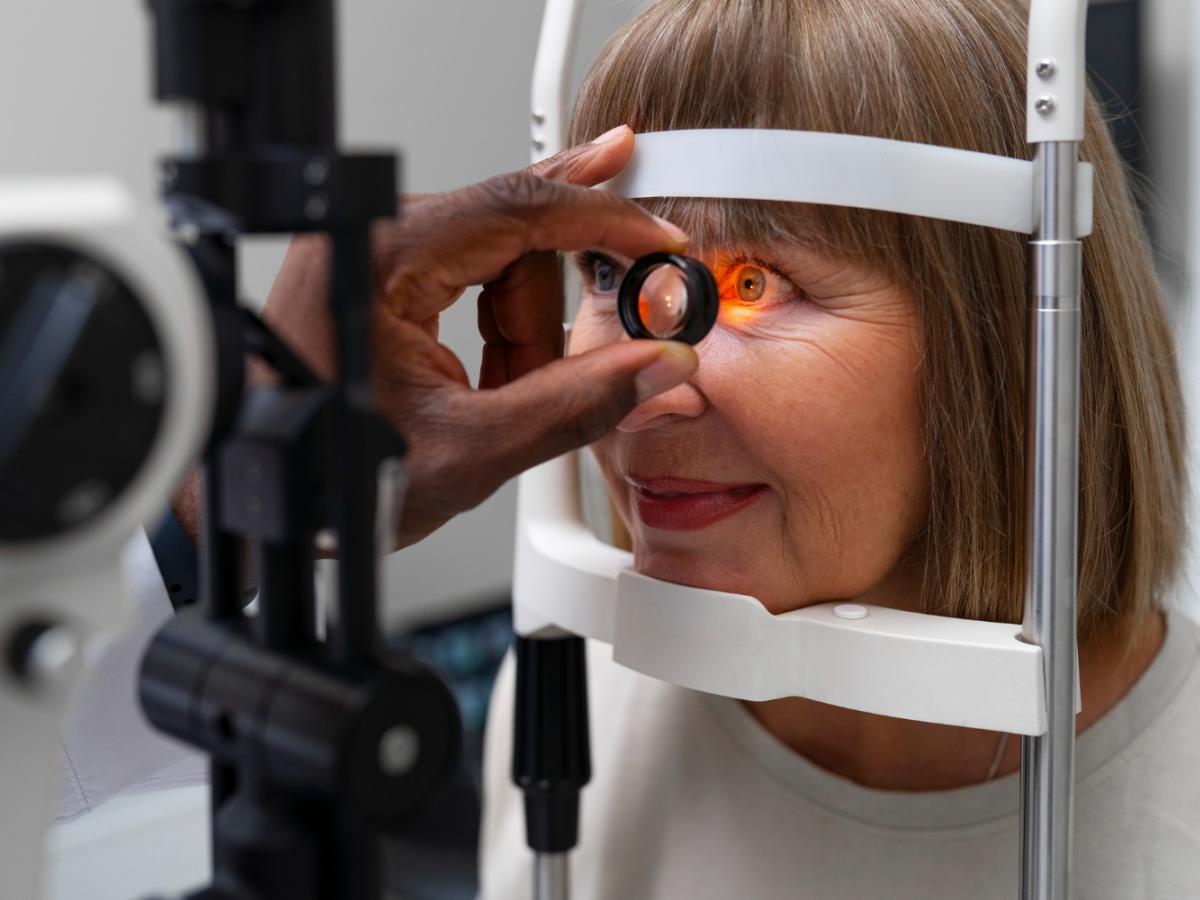
Vision is precious, and we can make choices daily that will help to protect our vision and maintain the health of our eyes.
Blepharitis refers to chronic inflammation of the eyelids. It is an external eye disorder that causes red, burning, and irritated eyes.
When a cloudy area develops within the normally clear lens of your eye, it is called a cataract. Cataracts vary from small areas of cloudiness to large opaque areas that cause a noticeable blurring of vision.
The conjunctiva is a thin, transparent membrane that lines the inside of the eyelid and covers the white part of the eye (sclera). Conjunctivitis is an inflammation of the conjunctiva. The three main types of conjunctivitis are infectious, allergic, and chemical. Infectious conjunctivitis, commonly known as "pink eye," is caused by a contagious virus or bacteria.
Diabetes is a chronic disease that prevents the body from making or using insulin. Diabetes and its complications can affect many parts of the eye. It can cause changes in nearsightedness, farsightedness, and premature presbyopia (age-related farsightedness).
The front surface of your eye is coated with a thin layer of tears. These tears keep your eye healthy and comfortable, and are necessary for both overall eye health and clear vision. Dry eye occurs when your eyes don't produce enough tears or produce tears that don't have the proper chemical composition.
Glaucoma refers to a family of diseases that damage the optic nerve. It is a progressive disease that most frequently occurs in individuals over the age of 40, with the risk of the disease increasing with age.
The macula is located at the back of the eye. It is the central and most sensitive part of the retina, providing the highest resolution for your central vision. The macula is used for reading, driving, and recognizing faces.