

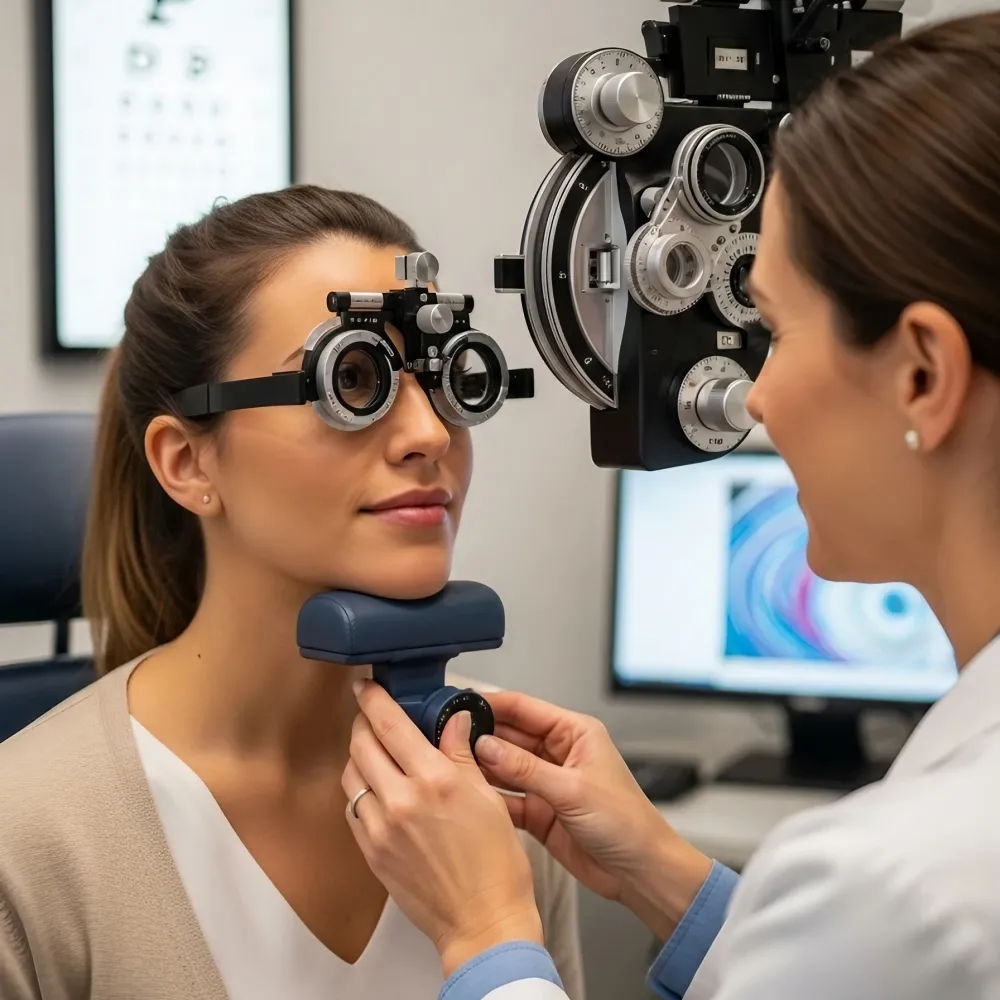
About Optometry Careers
Optometrists are primary health care professionals who examine, diagnose, treat, manage, and prevent diseases and disorders of the visual system.
Beyond prescribing glasses and contact lenses, they:
- Recommend eye health hygiene
- Prescribe medications for infections, inflammation, and allergies
- Treat eye injuries, including foreign body removal
- Assess sudden vision changes and eye pain
- Identify general health conditions that may first appear during an eye exam
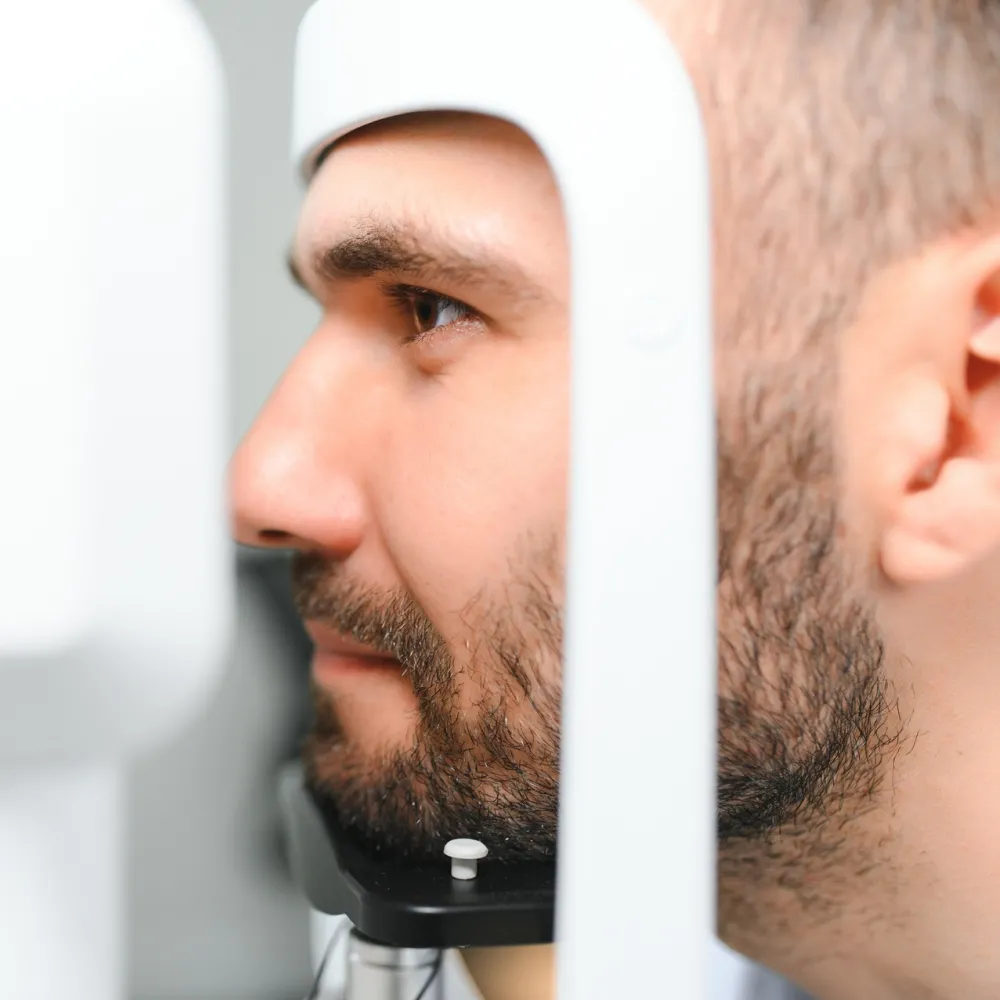
A Career with Vision
A career in optometry offers flexible working hours, a strong income potential, and the opportunity to own a practice. In Canada, there are approximately 6,000 practicing optometrists, including around 200 in Manitoba. Many optometrists start as associates at established clinics, often splitting their time between multiple locations. Once established, they may purchase or partner in a practice and may also operate an optical dispensary, supported by optometric assistants and trained optical staff.

The Path to Becoming an Optometrist
Becoming an optometrist requires 7–8 years of post-secondary education, including a Bachelor of Science followed by a four-year Doctor of Optometry (OD) program. Graduates must pass the national board exam, the CACO (Canadian Assessment of Competence in Optometry), and meet provincial registration requirements. In Manitoba, all practicing optometrists must be registered with the Manitoba Association of Optometrists.

Where to Study Optometry
The University of Waterloo’s School of Optometry and Vision Science is the only English-language institution in Canada offering an OD program, while the Université de Montréal offers a French-language program. Waterloo also provides an International Optometric Bridging Program for internationally trained optometrists. Several accredited U.S. programs are recognized in Canada.